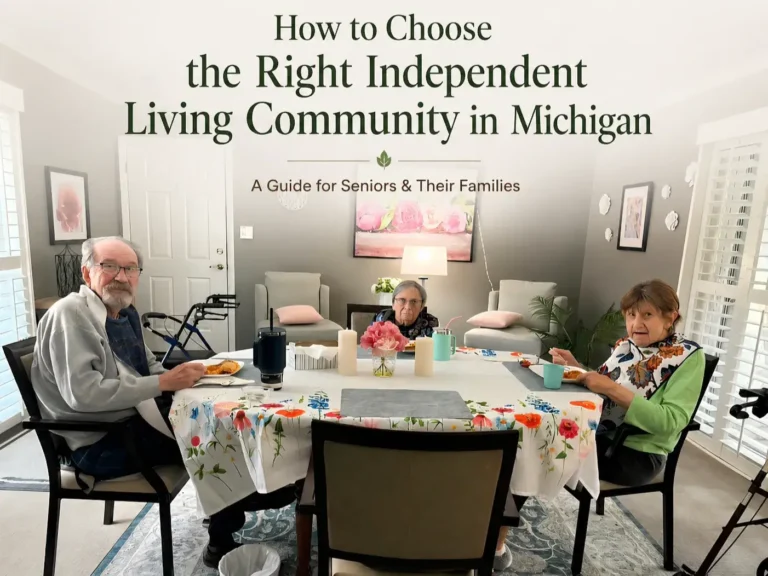
When Is It Time to Consider Senior Housing in Michigan?

It may be time to consider a move when everyday life becomes less safe, manageable, or socially fulfilling. Families should look for patterns rather than wait for a crisis. Falls, missed medications, poor nutrition, loneliness, or caregiver exhaustion can signal a need for support. So, when is it time to consider Senior Housing in Michigan?
Why Timing Matters for Older Adults and Families
Many families delay the conversation because a move can feel overwhelming. However, early planning gives everyone more control. It creates time to compare communities and discuss personal preferences. Most importantly, the senior can help shape the decision.
Signs That It May Be Time for a Change
Daily Tasks Are Becoming Difficult
Notice whether your loved one struggles with bathing, dressing, cooking, housekeeping, or medications. However, repeated difficulties can affect safety, comfort, and health.
Safety Concerns Are Increasing
Falls, wandering, kitchen accidents, or confusion can make living alone risky. Additionally, unexplained bruises or unpaid bills may reveal hidden problems.
Isolation Is Affecting Well-Being
Living independently does not always mean living well. For example, limited mobility or reduced driving can shrink a senior’s social world. See these tips for staying connected from the National Institute on Aging.
Family Caregivers Feel Overwhelmed
Caregiver fatigue deserves attention. Therefore, families should not wait until exhaustion becomes burnout. A supportive residence can share daily responsibilities.
Benefits of a Supportive Senior Community
The right community can provide meals, personal assistance, and meaningful activities. Furthermore, residents can enjoy companionship while retaining independence. In a smaller setting, familiar caregivers can learn each person’s habits and preferences. As a result, support feels personal.
Support Should Match the Person
Not every senior needs the same help. Some need reminders or meal support. Others may benefit from memory care. Therefore, choose a setting that can respond as needs change.
How to Choose With Confidence
First, discuss goals, fears, and preferred routines. Next, list current and possible future needs. Then, tour several residences and observe daily life.
Ask about staffing, meals, activities, safety, communication, and care plans. Additionally, notice whether residents appear comfortable and engaged. Respectful relationships matter more than polished décor.
Finally, consider a respite stay. It lets the senior experience the environment before a longer commitment. Meanwhile, families can assess communication and support.
A Thoughtful Next Step
Choosing senior housing does not mean removing independence. Instead, it can protect dignity, encourage connection, and simplify daily life. If several warning signs feel familiar, begin the conversation. Kendra’s Place welcomes families to schedule a personal tour of our warm, residential setting.
Frequently Asked Questions
What should families look for in a Michigan senior community?
Families should evaluate safety, staffing, cleanliness, meals, activities, and communication. They should also ask how the team creates personalized care plans. Moreover, visit in person and observe how caregivers speak with residents. A warm atmosphere and consistent relationships often reveal more than décor or marketing materials.
What are the benefits of a supportive senior residence?
A supportive residence can provide safer daily routines, nutritious meals, companionship, and help with personal needs. Additionally, planned activities may encourage movement and mental engagement. Families often gain peace of mind because trained caregivers share responsibilities while residents retain as much independence as possible.
Is a senior community only for people who need full-time care?
No. Many residents need only light support with meals, housekeeping, medications, or transportation. Others choose community living mainly for convenience and companionship. Therefore, families should explore flexible care options that match current needs and can adapt if those needs increase over time.
Can respite care help before choosing a long-term residence?
Yes. Respite care offers a short stay in a supportive setting. It allows an older adult to experience meals, routines, activities, and caregiver relationships firsthand. Meanwhile, families can assess communication and comfort without making an immediate long-term decision. It can also provide temporary relief for caregivers.
How can families choose the right senior housing in Michigan?
Start by identifying the senior’s care, safety, social, and lifestyle needs. Next, compare several communities, review services, and ask clear questions about staffing and costs. Include your loved one in each step whenever possible. Finally, trust direct observations from a tour more than brochures alone.
Can community living provide a more social environment?
Yes. Shared meals, group activities, conversations, and familiar faces can make connection part of everyday life. However, the best communities also respect privacy and personal preferences. Families should ask how staff encourage participation without pressure, especially for residents who feel shy or need time to adjust.